 Language
 Español
 Português
 Français
 Deutsche
 हिन्दी
 Nederland
 Русский
Play free Educational games — directly in browser!
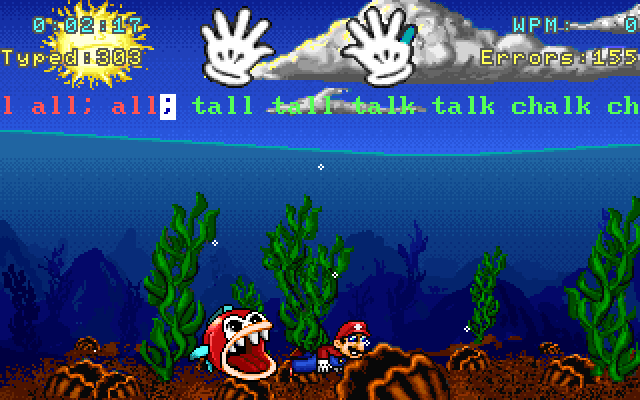
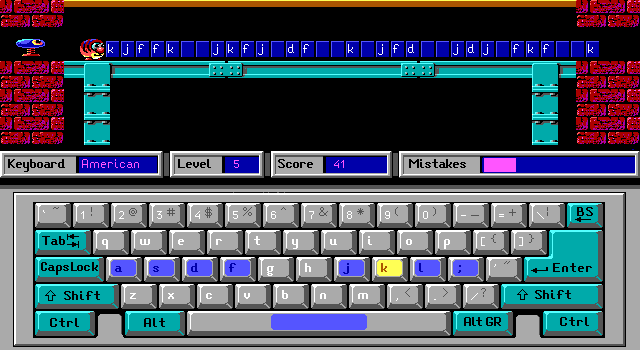
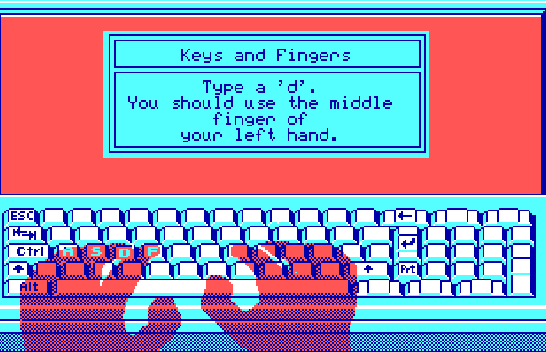
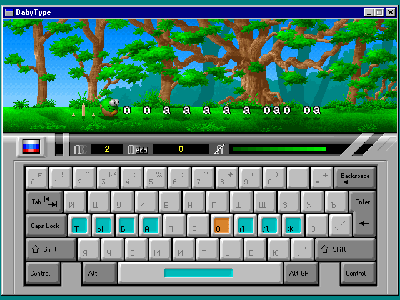
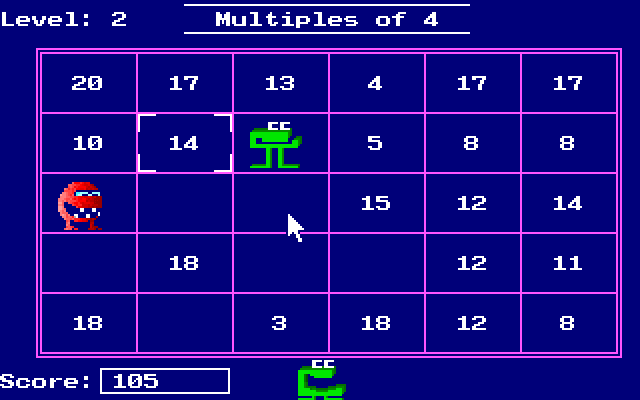
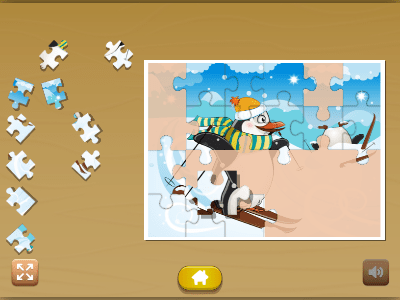
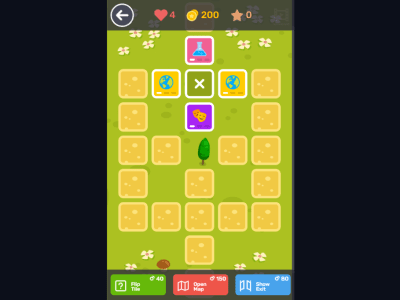
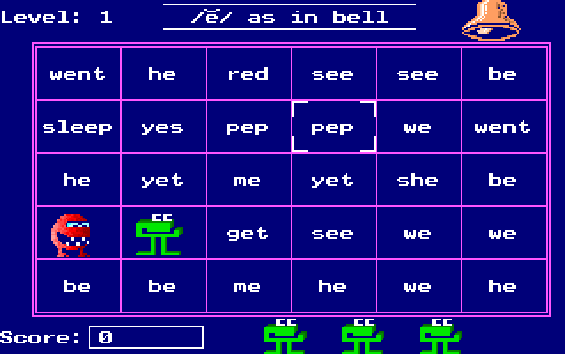

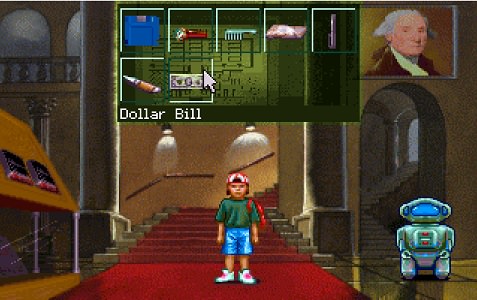

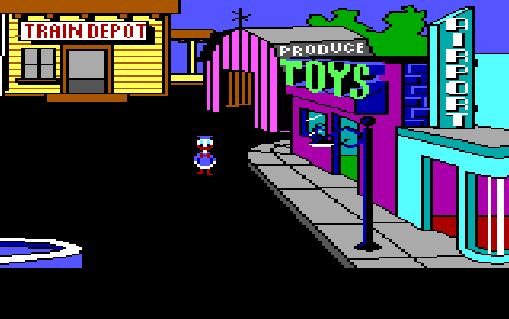
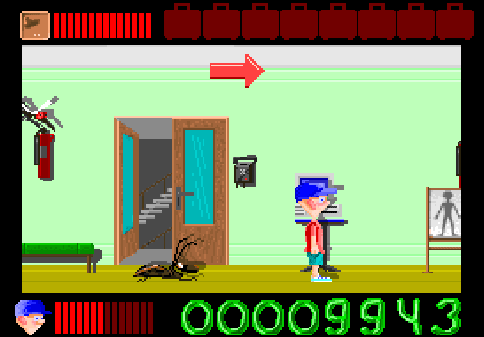
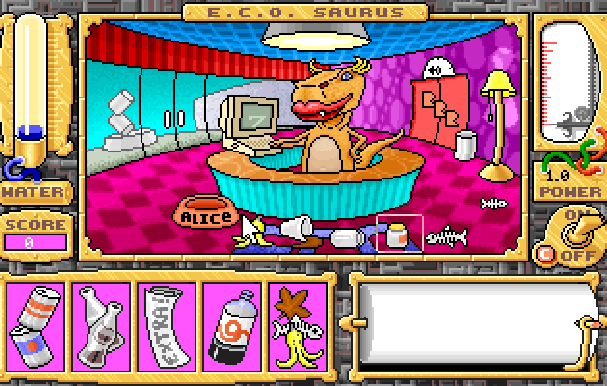
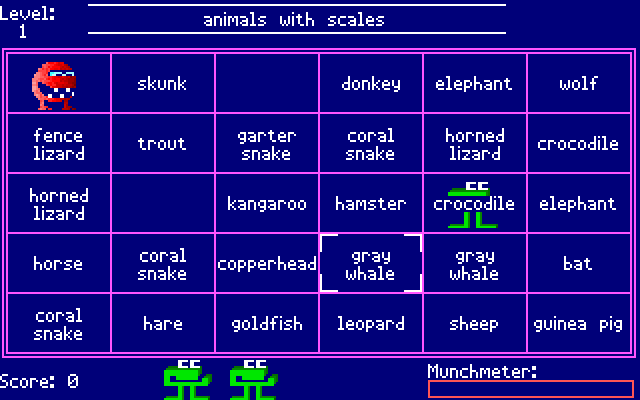
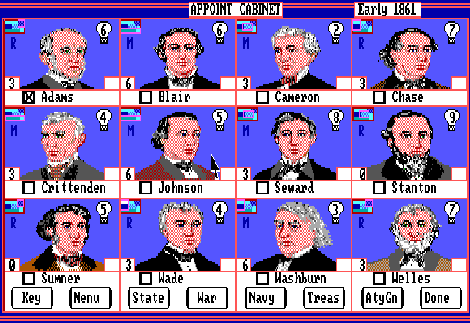
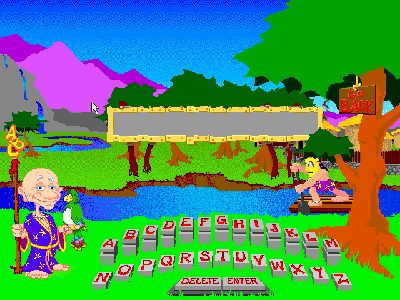
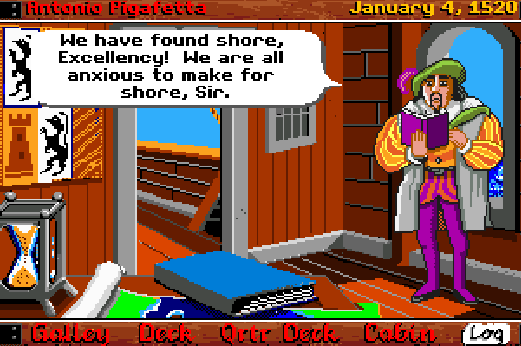
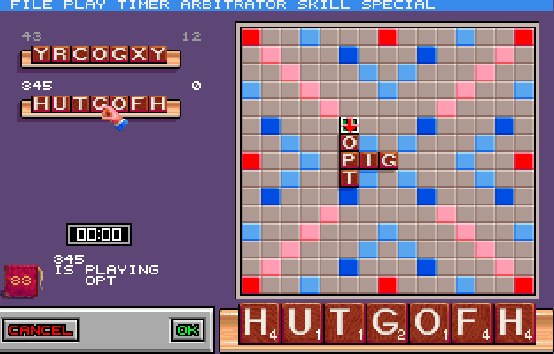
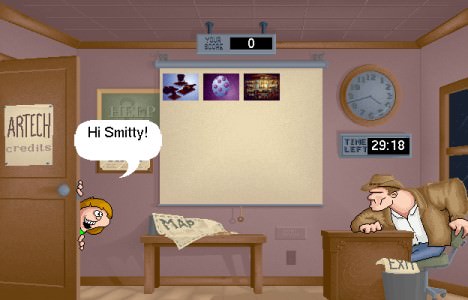
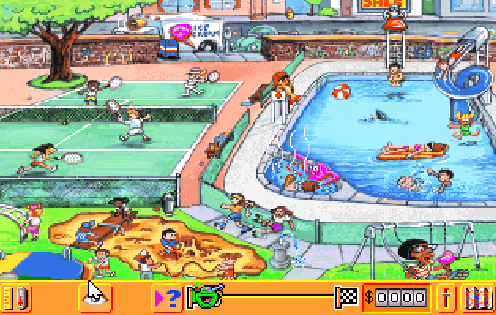
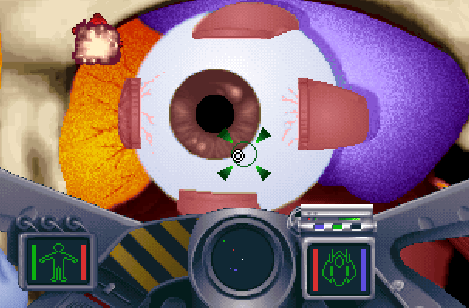


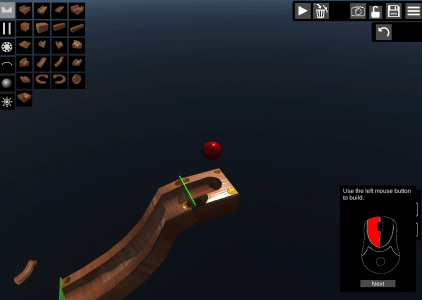
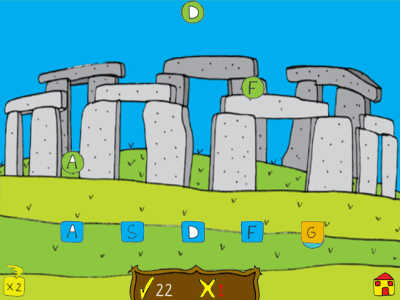
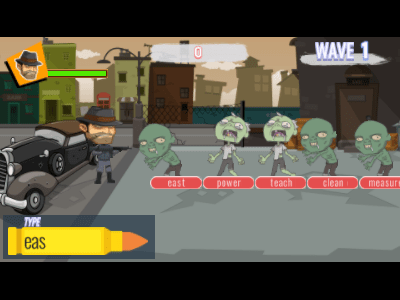
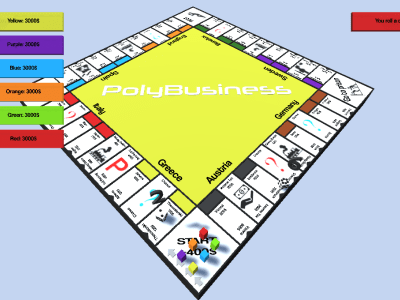

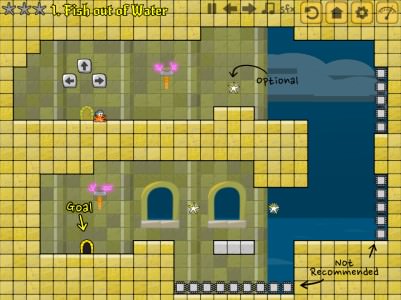
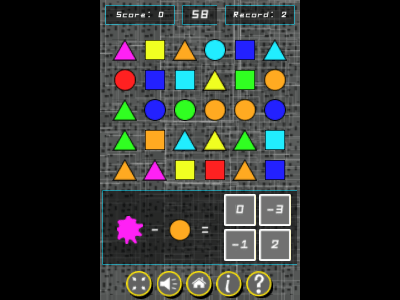

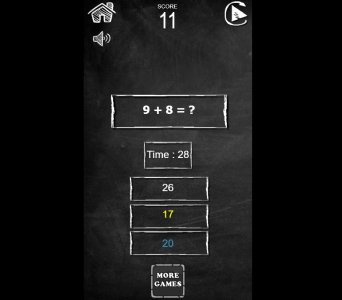


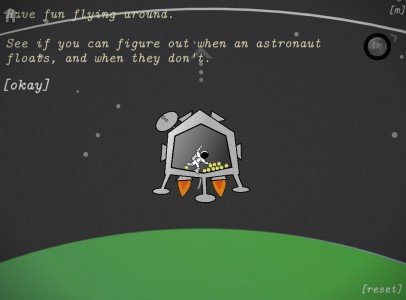
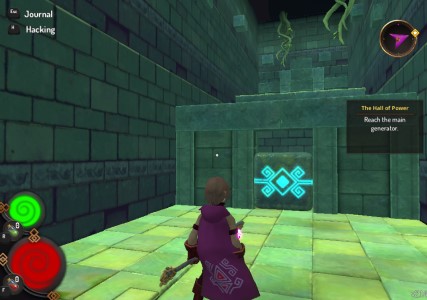


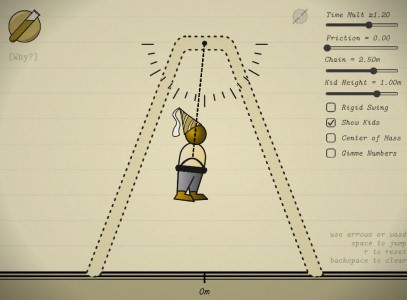
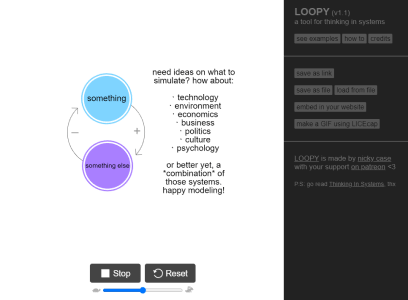
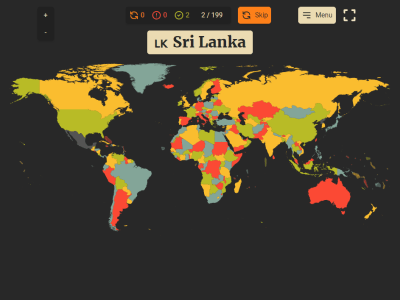
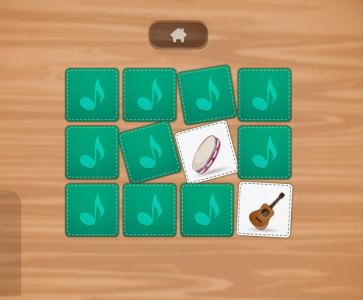
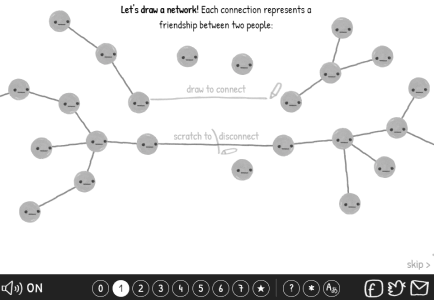
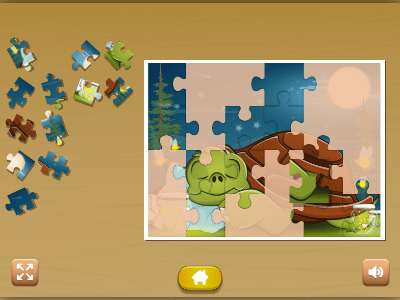
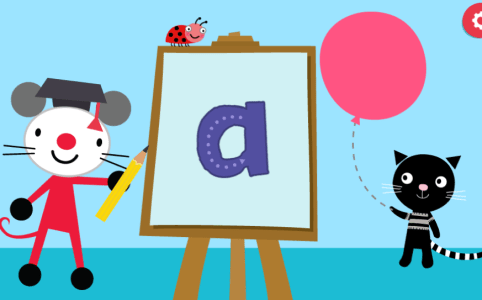
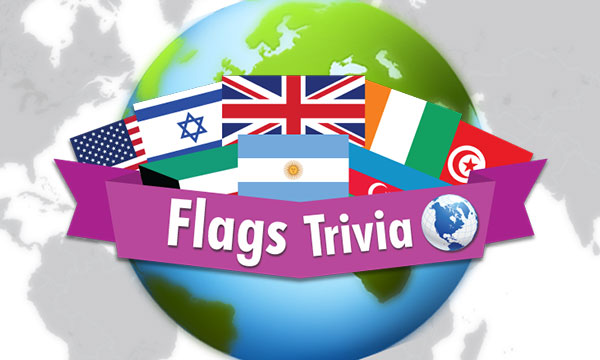

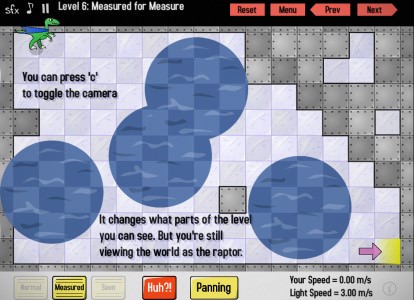

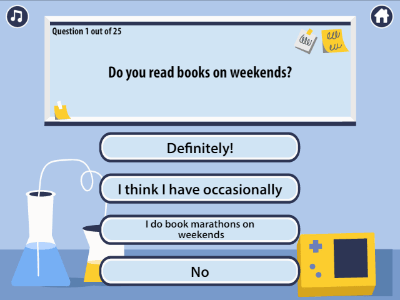
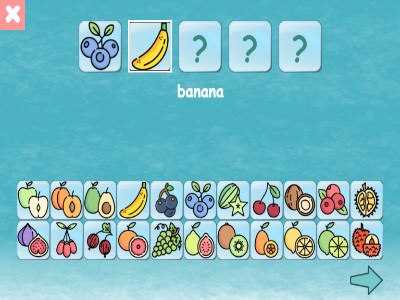
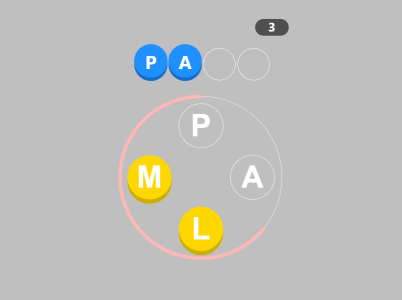


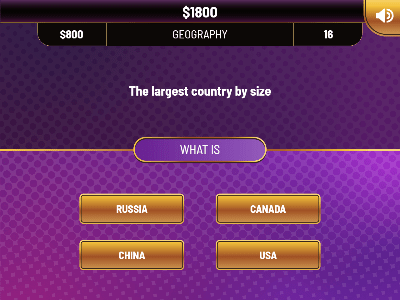
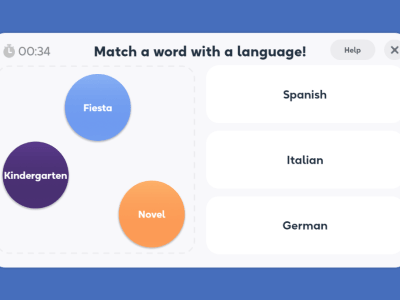
What Are Educational Games? 📚
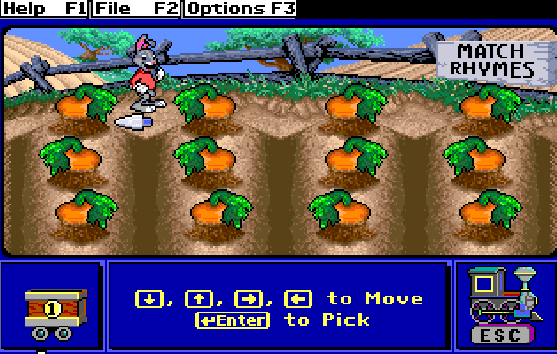
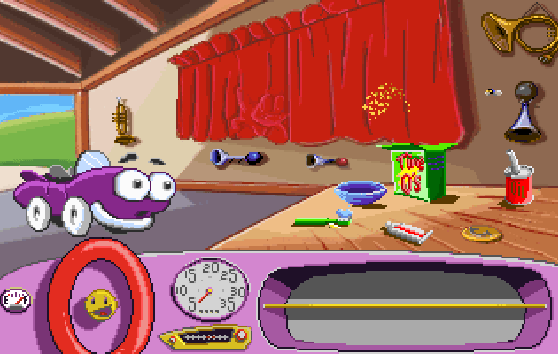
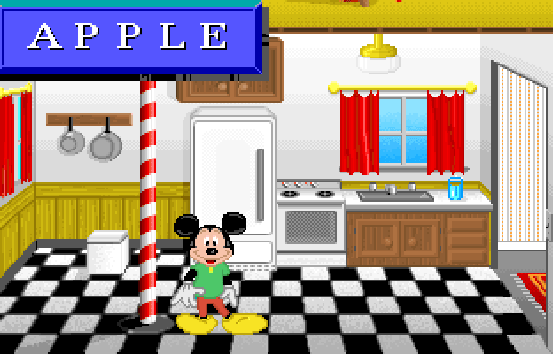
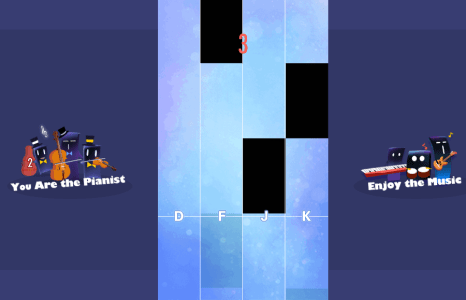
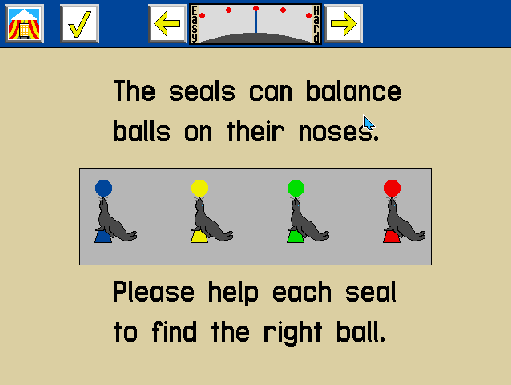
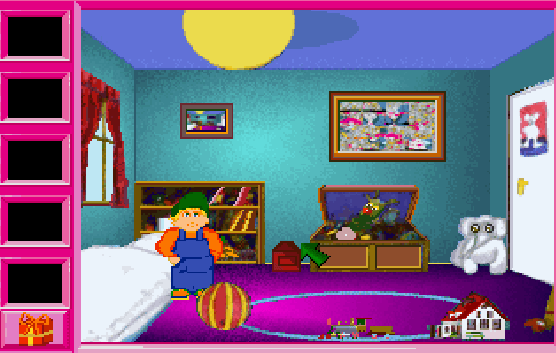
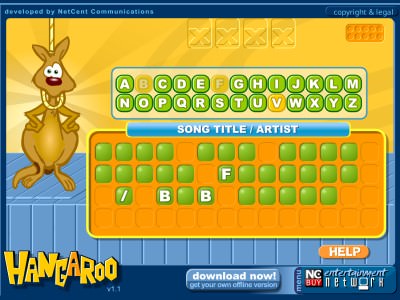
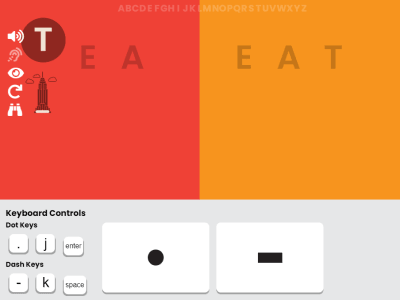
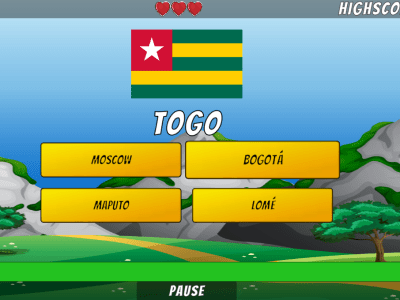
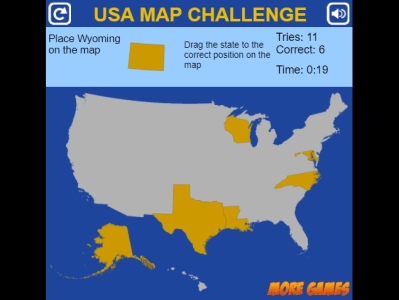
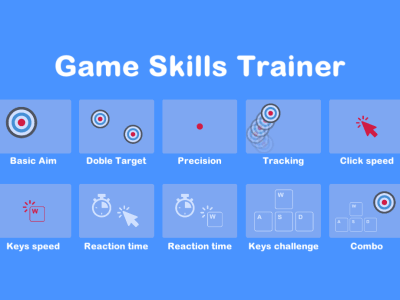
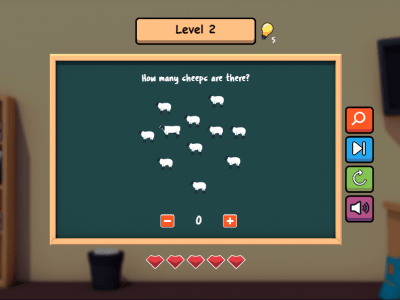
Educational games blend fun with learning, turning lessons into interactive challenges. Instead of reading from a book or memorizing facts, players practice math, languages, science, and problem-solving skills while enjoying playful mechanics that make learning feel effortless.
Main Features of Educational Games
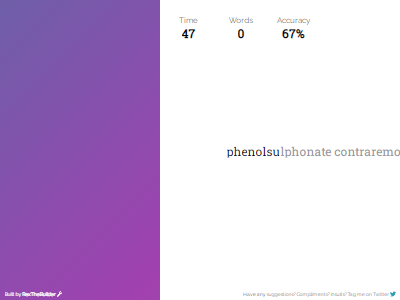
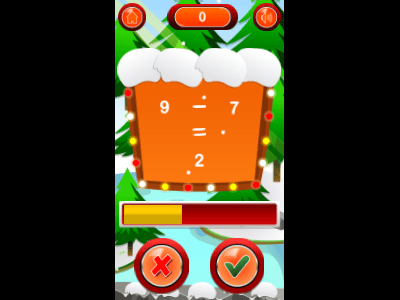
- 🧮 Skill practice—arithmetic drills, spelling exercises, memory games.
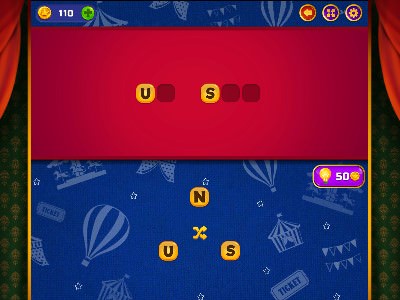
- 🎮 Interactive mechanics—quizzes, puzzles, and mini-games tied to lessons.
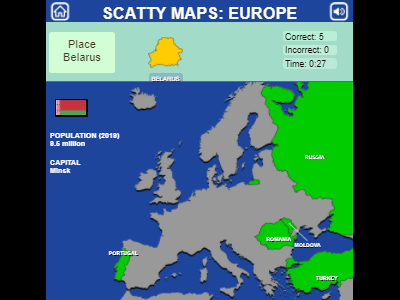
- 🌍 Wide topics—covering everything from history and geography to coding basics.
- 👶 Age-friendly design—levels suited for kids, teens, and even adults brushing up skills.
How the Genre Developed 🌱
The concept of “learning through play” has been around for centuries, but computers and browsers made it globally accessible. Early titles were simple math drills; modern educational games include immersive adventures, problem-solving simulations, and adaptive systems that adjust difficulty to each learner. Today, these games allow students to study while having fun, parents to introduce new skills, and adults to sharpen their minds at any pace.
Why Players Love Educational Games ❤️
They bridge the gap between work and play. Fans return because:
- 📖 Knowledge sticks better when gained through interactive fun.
- 🎯 Clear progress tracking motivates learners with visible achievements.
- 🌟 Wide appeal—helpful for school, professional growth, or casual brain training.
Tips to Make Learning Fun 💡
1. Set Small Goals
Break learning into daily challenges so progress feels rewarding and achievable.
2. Replay for Mastery
Repeating levels cements knowledge and boosts confidence with tougher tasks.
3. Explore Different Subjects
Mix math, language, and logic games to keep your sessions fresh and well-rounded.
4. Track Your Progress
Many games include stats—use them to see growth and celebrate milestones.
5. Combine Play with Study
Use games as reinforcement, not a replacement, for traditional learning methods.
Frequently Asked Questions ❓
Are educational games only for kids?
No. While many target younger audiences, there are plenty designed for teens and adults too.
Do educational games actually improve skills?
Yes. Repetition, feedback, and interactive engagement help strengthen memory and understanding.
Can I use educational games in classrooms?
Absolutely. Many teachers integrate them as supplemental tools to make lessons more engaging.
Do educational games cover serious topics?
Yes. Beyond basics like math and reading, some games teach coding, history, or even financial literacy.