 Language
 Español
 Português
 Français
 Deutsche
 हिन्दी
 Nederland
 Русский
Play free Racing games — directly in browser!
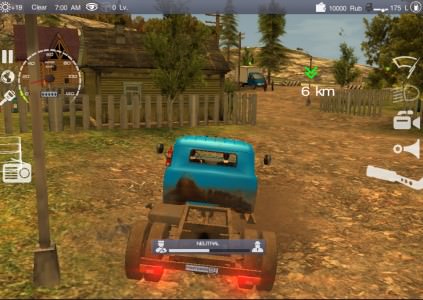
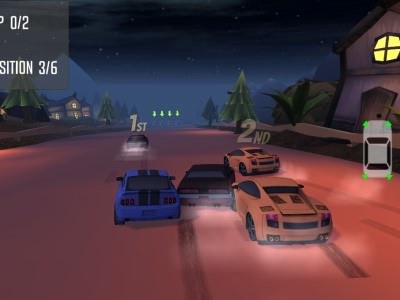
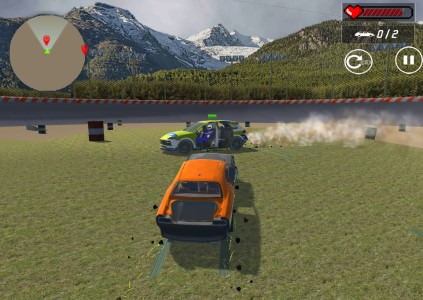
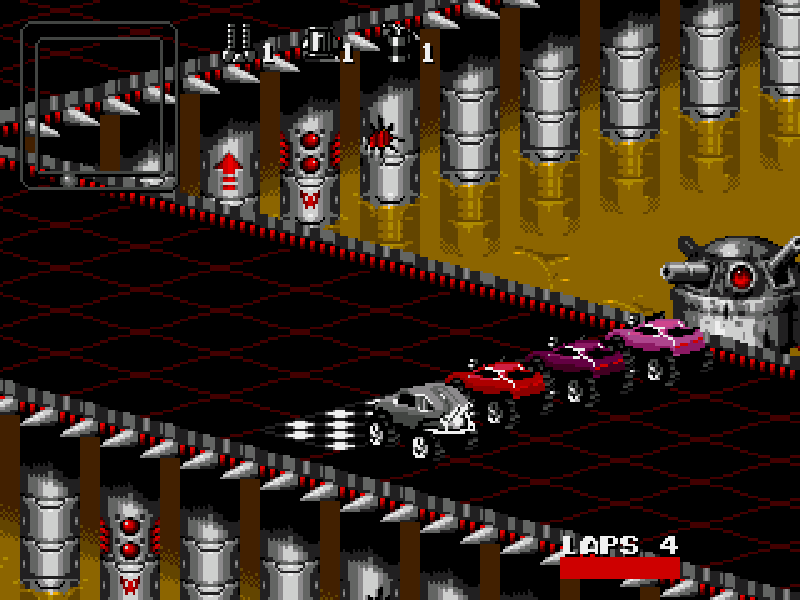
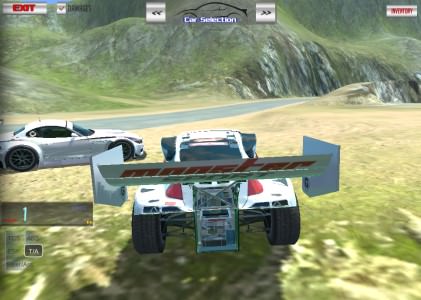
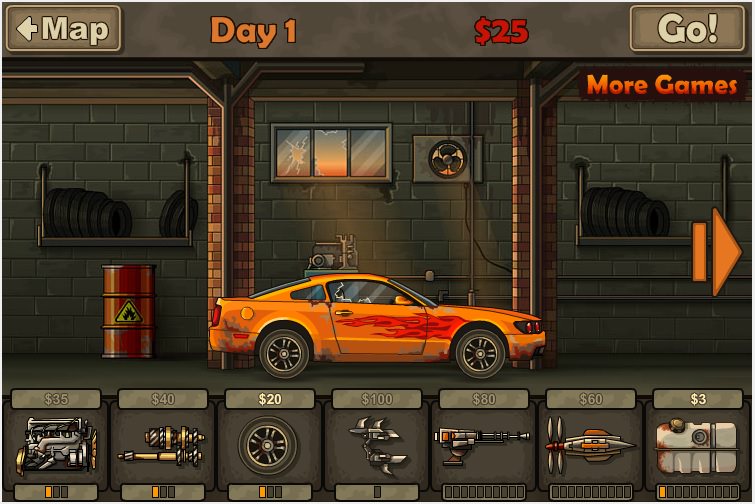
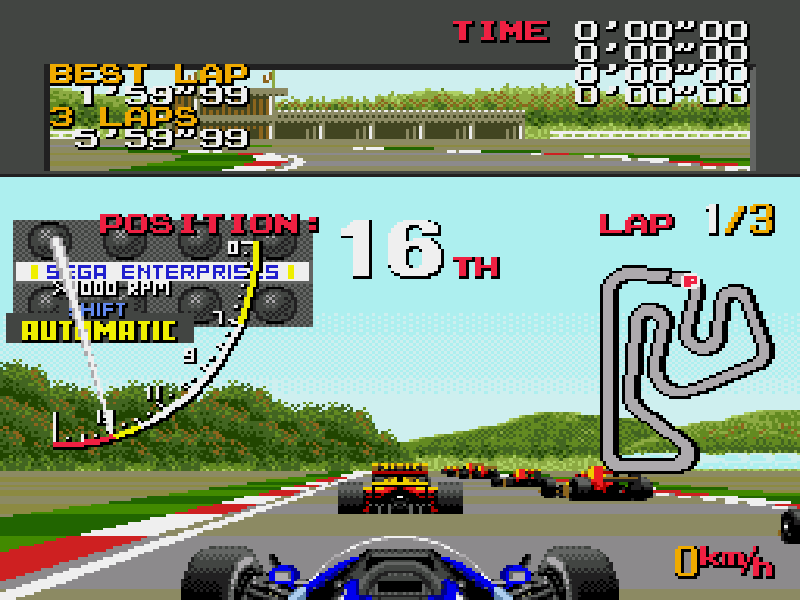
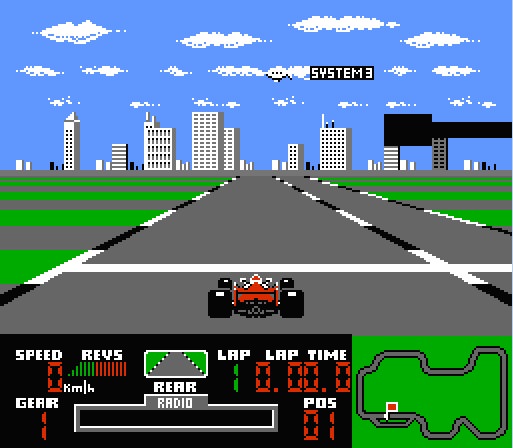
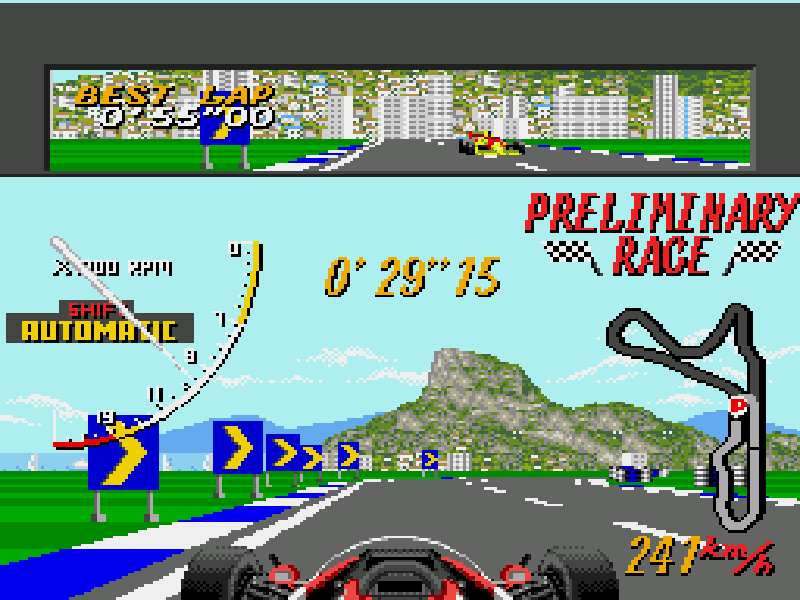
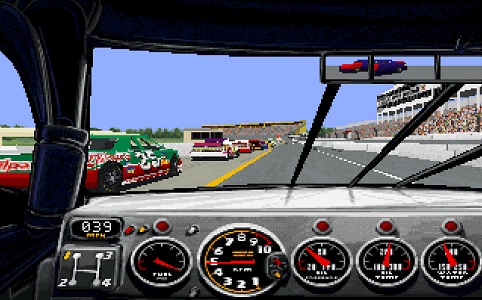
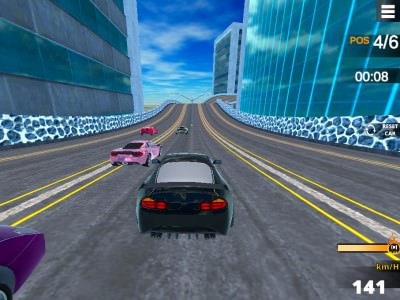
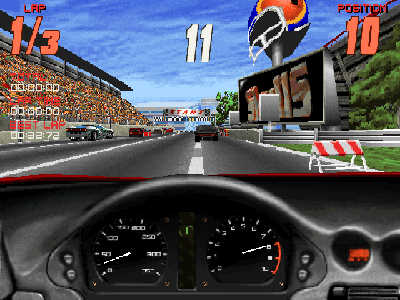
_58bf28ec7dd04f8482deb6af37fe2e65.png "R.C. Pro-Am 2 - play free online")
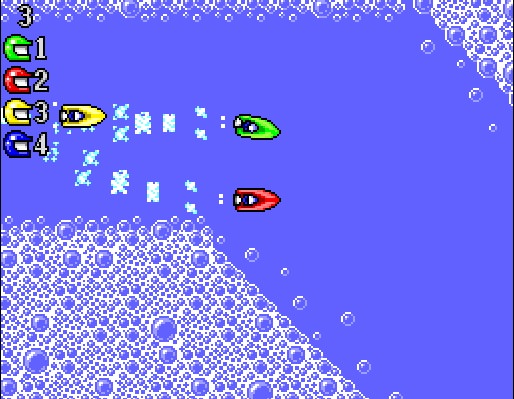
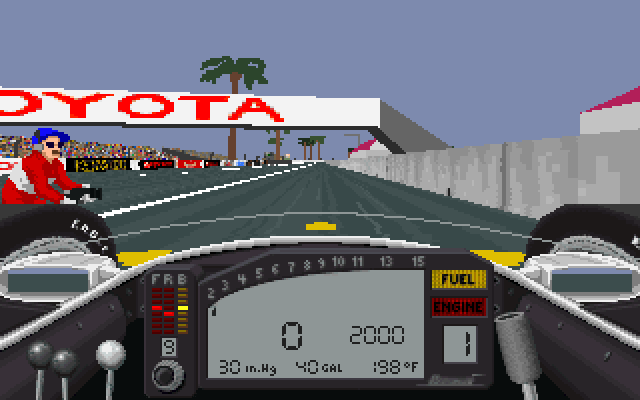
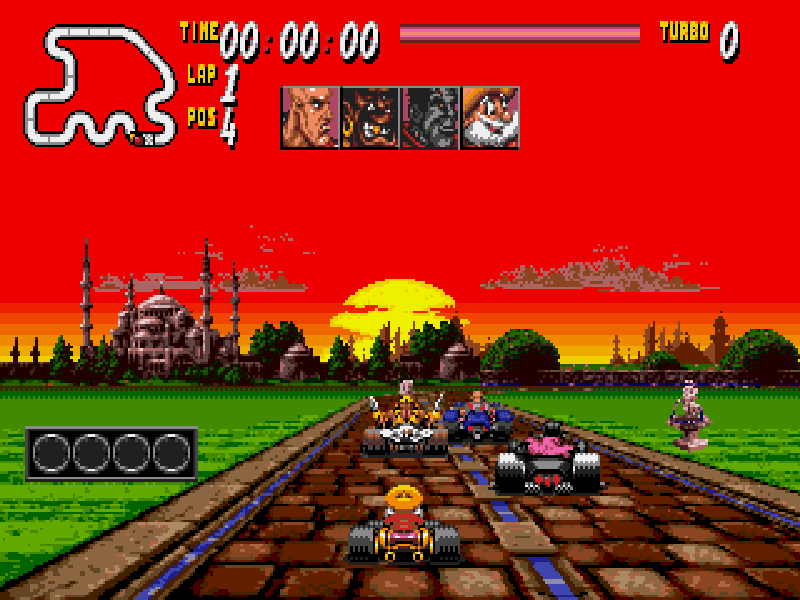
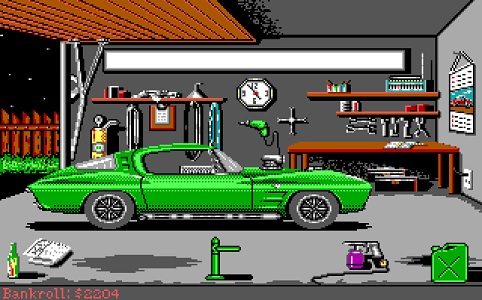
_98238b1c481943cfaaf54cd41510e4eb.png "Skitchin' - play free online")
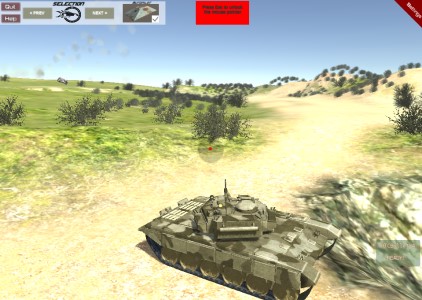
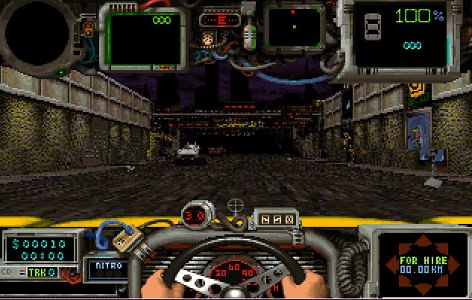
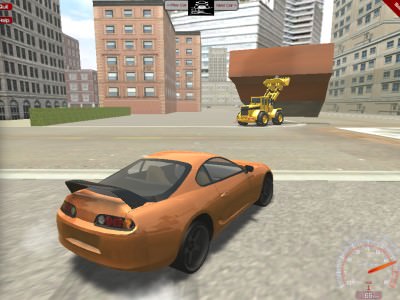
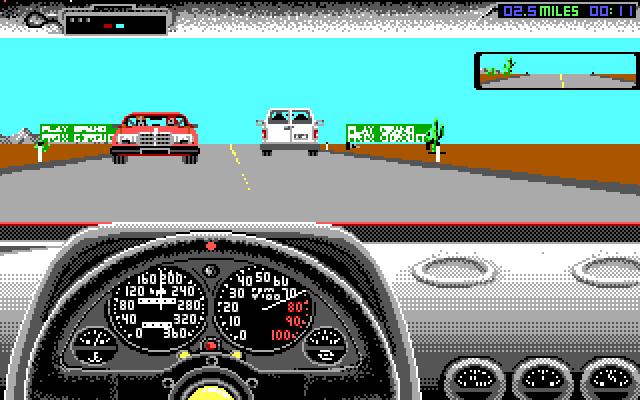
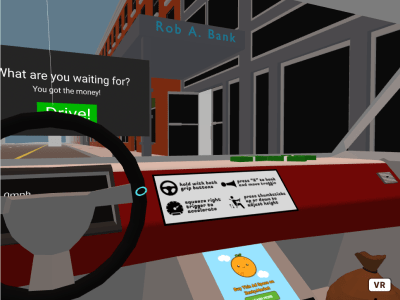
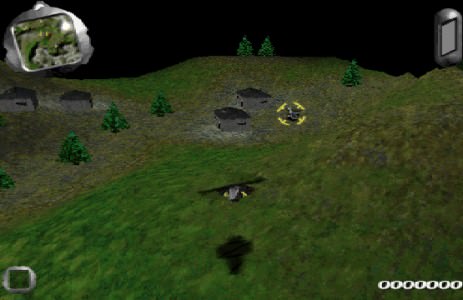
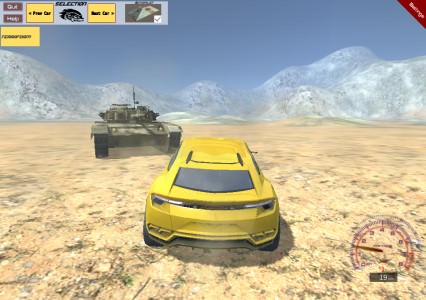
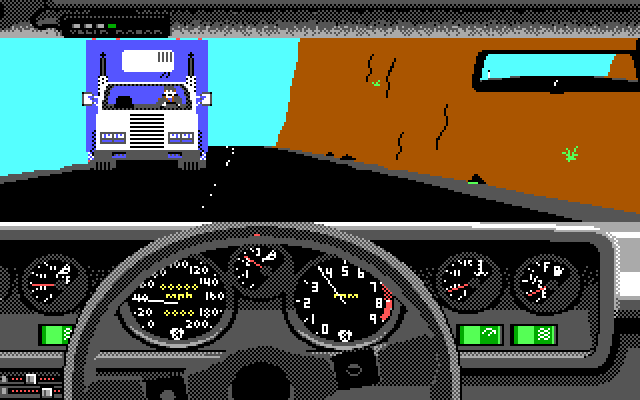
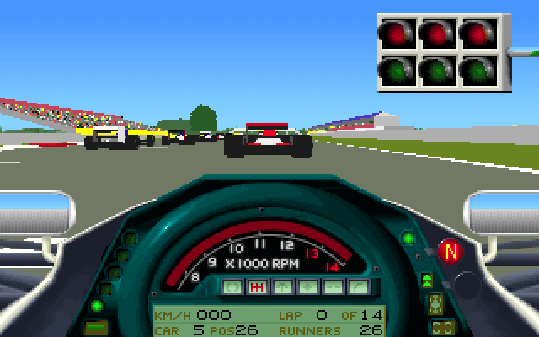
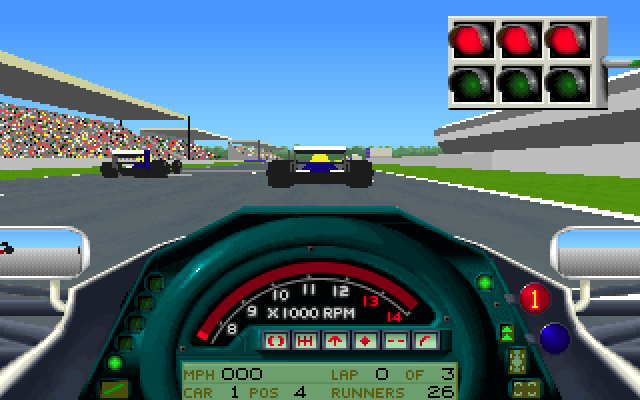
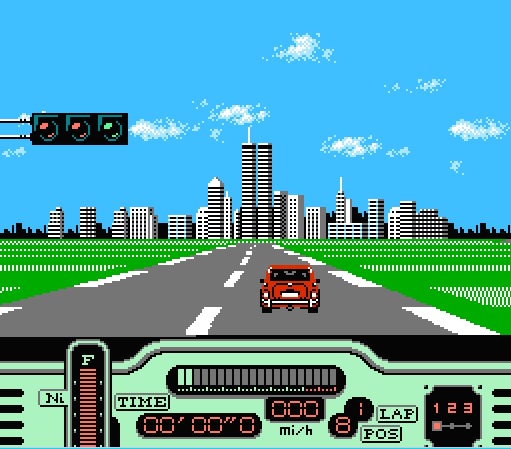
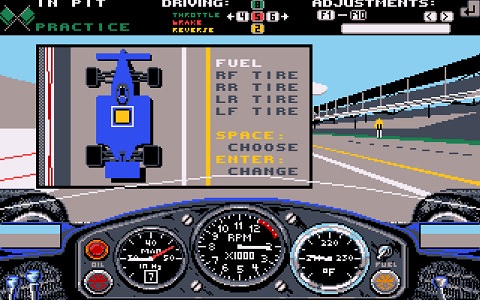
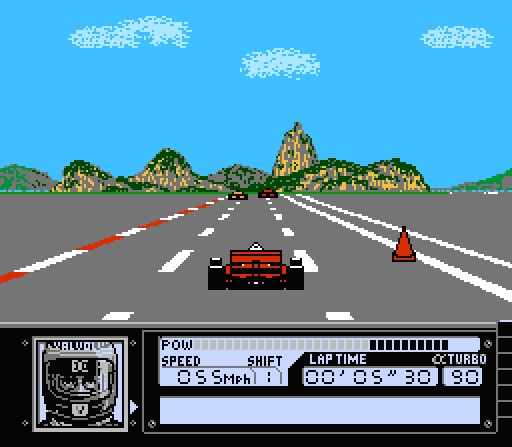
What Are Racing games?
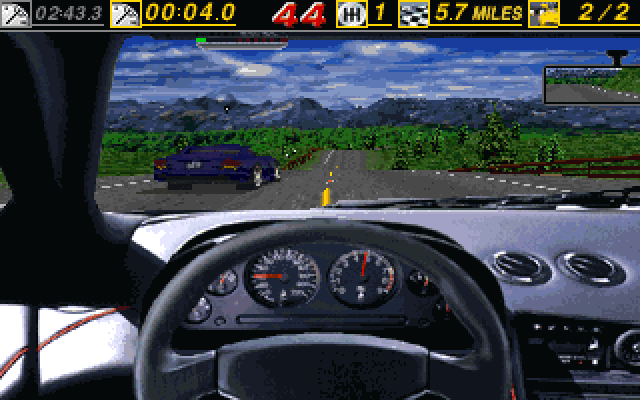
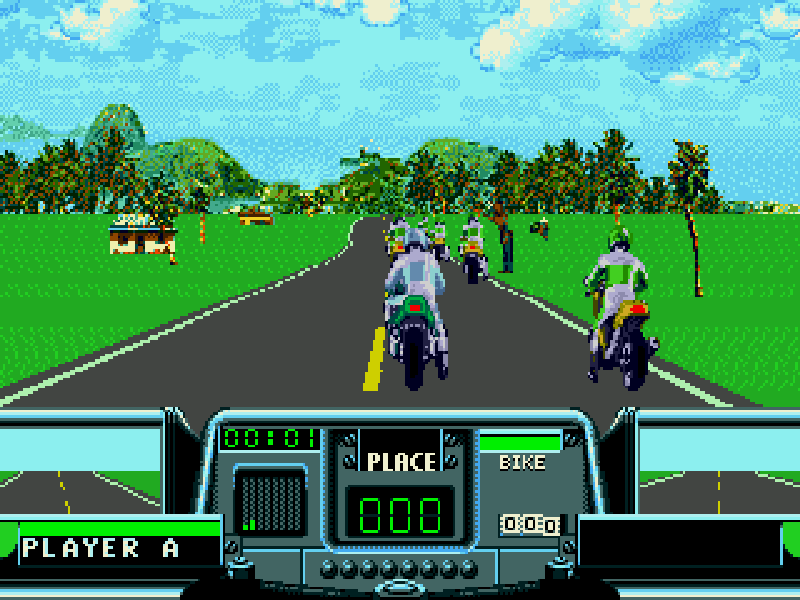
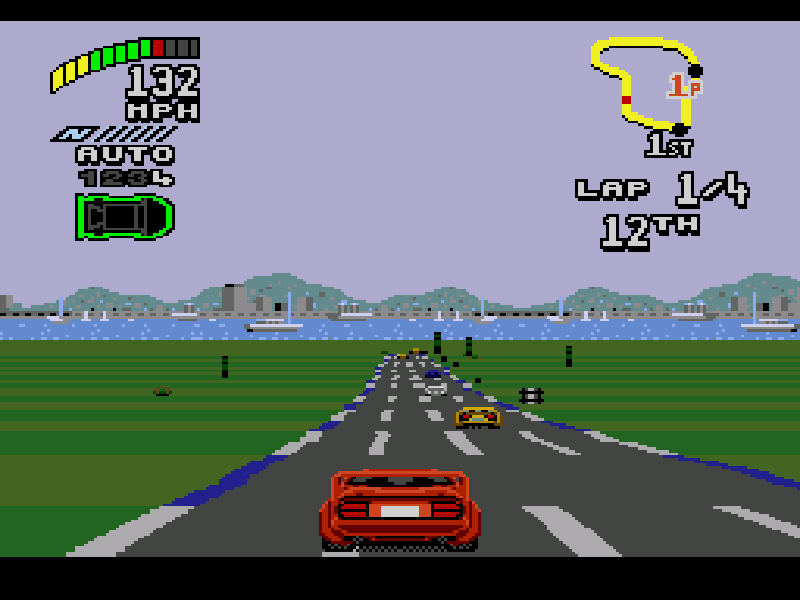
Strap in for pure speed and split-second strategy with our Racing games. Learn the line, nail braking points, and out-drive rivals across street circuits, rally stages, and ovals—chasing podiums, perfect laps, and personal bests. 🏁
Main Mechanics You’ll Meet
- Precision cornering with braking points and throttle modulation.
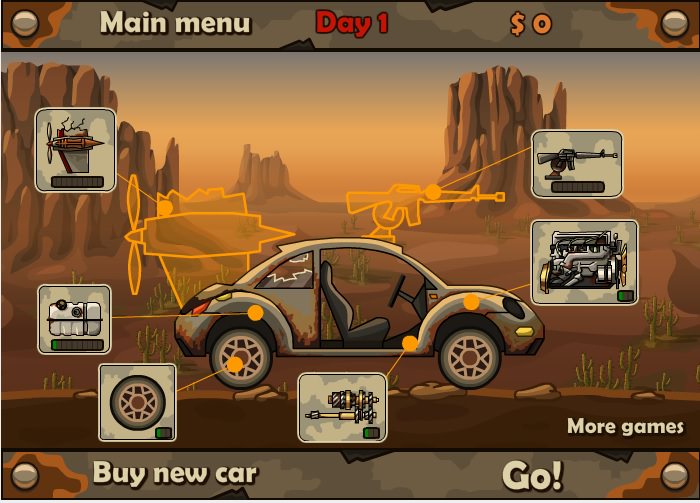
- Vehicle setup and upgrades affecting grip, acceleration, and top speed.
- Arcade vs simulation handling models, with optional damage and tire wear.
- Modes like career, time trial, split-screen, and online leaderboards.
Evolution of the Genre
Took off in arcades in the 1980s and evolved across home systems and PC in the 1990s. Rooted in the broader Sports genre, racing distilled competition to its essentials: master the racing line, braking points, and throttle control to finish first. Early hits emphasized spectacle and straightforward handling; later, physics engines brought weight transfer, tire grip, and aerodynamic balance into play. Today’s racers often let you choose your flavor—pick forgiving, fast fun or deep simulation with realistic wear, fuel loads, and damage—and then tailor assists to your comfort level. Online matchmaking, seasonal events, ghost challenges, and robust career modes keep the loop fresh, while tuning and customization invite experimentation from lap to lap. Thanks to a clear skill curve and immediate feedback (lap times don’t lie), racing remains popular with both casual drivers and dedicated hot-lappers who live for consistency and incremental gains.
Why Players Love Racing games
Whether you crave photo-finish battles or quiet time-trial focus, the genre rewards clean inputs, smart risk-taking, and a constant push for better splits. Three reasons it keeps players hooked:
- Heart-pounding speed paired with readable, responsive handling.
- Visible skill growth as lap times drop and rankings improve.
- Variety of tracks, vehicles, tuning options, and rule sets to master.
Tips & Strategies for Faster Progress
- Memorize the racing line: outside–apex–outside on most corners to maximize exit speed.
- Brake in a straight line, then trail-brake gently toward the apex; roll on throttle smoothly.
- Use assists (ABS, traction control, racing line) early, then reduce them as consistency improves.
- Tune for the track: shorten gearing on tight layouts; balance downforce and choose tire compounds for temperature and stint length.
- Practice sector by sector, save ghosts, review replays/telemetry, and prioritize consistency over aggression.
Frequently Asked Questions
What’s the difference between arcade and simulation racing?
Arcade racing favors accessible handling and forgiving physics, while simulation aims for realism with nuanced grip, weight transfer, and damage.
Do I need a steering wheel, or is a controller enough?
A wheel offers precise analog input and a natural range of motion; a gamepad remains competitive and convenient. Choose what fits your space and budget.
How can I reduce lap times quickly?
Learn braking points, perfect the racing line, and focus on smooth inputs. Run time trials and study replays to spot where you’re over-slowing or missing exits.
Which modes are best for beginners?
Time trial and single-race sessions are ideal—no traffic, predictable conditions, and clear feedback each lap to build confidence before online competition.